More than 8,000 federal web pages have vanished from over a dozen U.S. government websites since the inauguration of President Donald Trump, leaving millions of Americans scrambling to access once public data. The Trump administration has removed information that purportedly supports diversity initiatives and “gender ideology.” According to a New York Times analysis, this includes government data on “vaccines, veterans’ care, hate crimes and scientific research, among many other topics.”
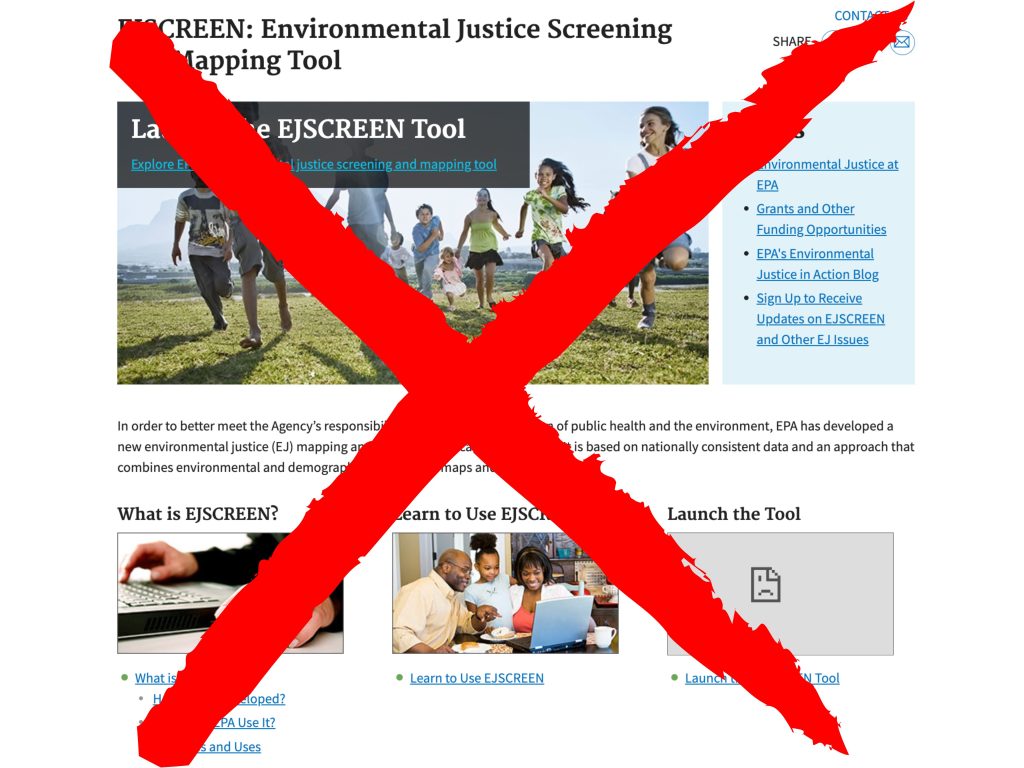
At Syosset High School, the impact is being felt directly in Advanced Social Science Research classes, where several juniors have lost access to federal databases essential to their research projects. Studying environmental injustice, Amir Hamid structured his investigation around data from the EPA’s Environmental Justice Screening and Mapping Tool. Amir said, “It was an interactive map that tracked environmental injustice through indicators like cancer rates and asthma levels. Then one day, the website just stopped loading.”
Amir eventually found a substitute, the EPA’s Enforcement and Compliance History Online Tool, but he remains concerned that it too may be vulnerable. “Lee Zeldin is planning to close more environmental justice programs within the EPA. My new database works for now, but there’s a good chance it’ll be shut down too,” he said. Amir fears the loss of these resources has far-reaching implications. “These tools don’t just help high schoolers – they help researchers with decades of experience tackling environmental injustice. There are people whose lives and well-being depend on this data. And the fact that these sources are all gone really, it doesn’t just do me harm, but it does millions of Americans harm as well,” said Amir.
Mr. Klopp, the 11th grade social science research teacher, is equally concerned with the message these website shutdowns send to students about government transparency. “It’s tenuous. It depends on who’s in charge. The goal of research is to increase knowledge and to base it on facts,” he said. High school students already struggle to find research data due to limited time and money. “And if that search is made more difficult by our federal government, not facilitating nor providing information, we’re at an even further loss in high schools,” said Mr. Klopp.