By: Chengshui Yun
Anyone who has spent hours on Long Island roads knows the truth: this island has a bad driver problem. Not just an occasional careless driver, but a culture of impatience, aggression, and recklessness that is deeply rooted in our daily lives, as if it’s totally normal.
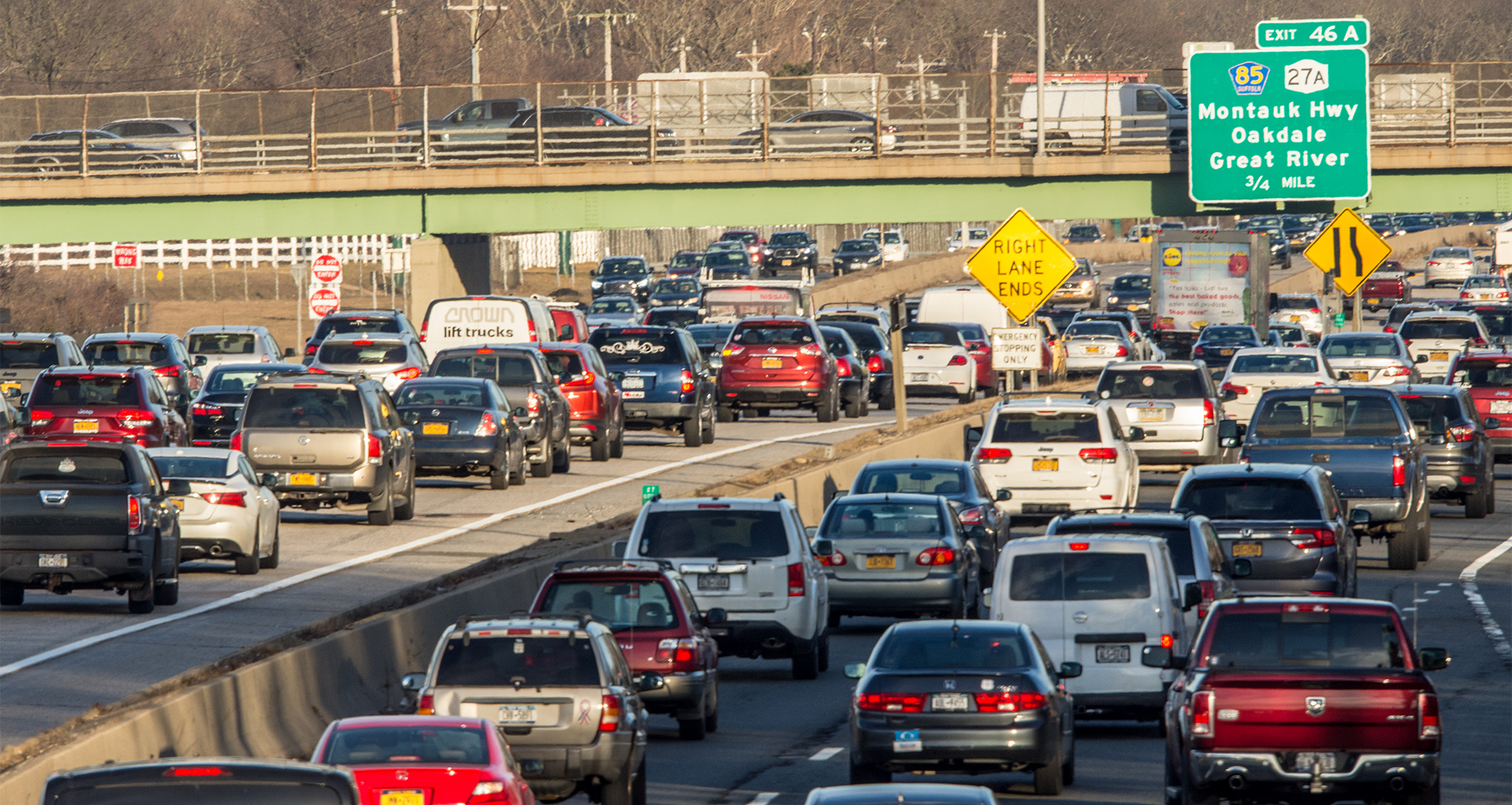
It’s not simply that there are too many “bad” drivers on Long Island; there are too many impatient drivers who will do anything to save a couple of seconds. Driving 10 miles per hour above the speed limit and still being the slowest driver? Yeah, that’s normal on the Long Island Expressway (LIE). Prioritizing a right turn over a pedestrian, even when the walking signal is on. Rude, but expected. And you can’t forget the most legendary phenomenon that results in road rage, the “merge” or, to be more specific, the “cut”. It is a very common driving maneuver that combines impatience, courage, and mathematical impossibility. Don’t be surprised if someone is cutting by only three feet from the back of their car to your bumper.
But the issue goes beyond the stereotypes. These behaviors have real, devastating consequences: high car crash rates, injuries, and unnecessary fatalities. According to the NY Post, a serious car crash resulting in damages, injuries, or death occurs every seven minutes on Long Island. Throughout Northern State Parkway, there are several memorials built on the grass parallel to the road, indicating fatality. In recent years, a memorial was built on the eastbound side of the LIE service road by South Oyster Bay Road for a high schooler who was struck while biking.
Why do people drive badly on Long Island? Part of this is because of infrastructure and traffic. The LIE is an eight-lane highway, and the parkways are typically four or six lanes. With the sheer amount of population on Long Island, traffic can get really slow, especially during peak hours. Heavy traffic fuels impatience, and impatience fuels these behaviors.
Another part is psychology. Many Long Islanders spend hours each week driving in heavy traffic. Over time, this leads to frustration, which develops into entitlement. What was supposed to be a safe and shared place for transportation now becomes a war zone. Entitled drivers even vent their frustration at pedestrians, honking at them to walk faster so they can turn, or sometimes they turn regardless of pedestrians, praying that they to kindly move out of the way quickly enough. By law, the hierarchy on the road is pedestrian, and then motor vehicles. Clearly, entitlement leads them to turn their back on the law.
Long Island needs to improve its culture around driving. Stricter law enforcement, such as heavier fines for speeding or more highway patrol, fill in the potholes quicker, redesign intersections, but most importantly, individual responsibility. Every driver on the road is a potential risk for disaster. To minimize disaster and to have safer roads, we must make the right choices on the road; otherwise, bad driving will forever define Long Island.