By: Ella D’Auria
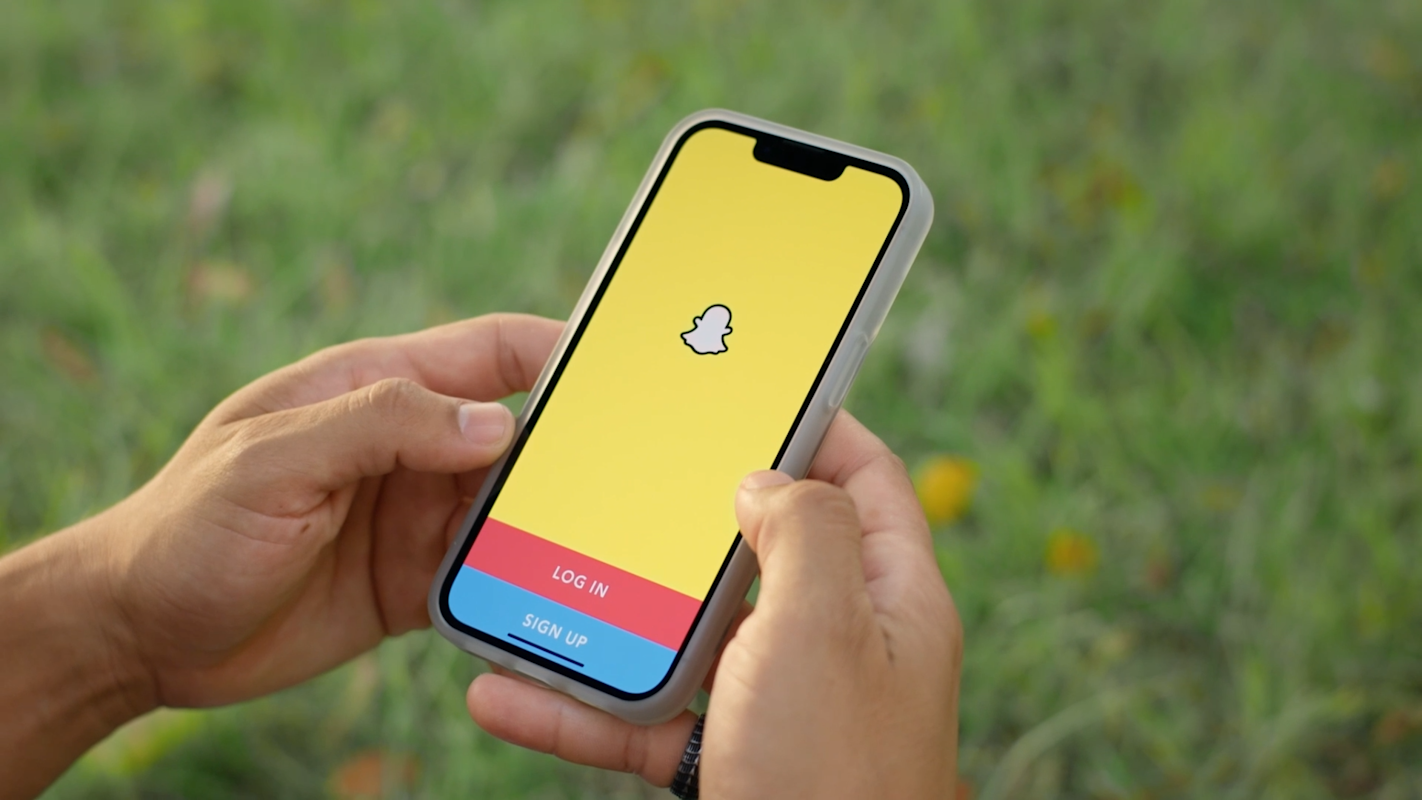
Imagine telling your grandparents that you and your friends send photos of 30%-60% of your faces to each other for fun. Add on that you’re paying a couple of bucks a month to learn the exact moment your friends open said photo, and you’re bordering on cardiac arrest. I’m being facetious—kind of—but this social media revolution is very real, and I think we’ve been desensitized to its consequences. Snapchat is arguably the most commonly used social media platform for teenagers, famed for its ostensible ability to unite a generation through communication. However, some of its features, from experience, could be the very things that force teens apart.
To me, everything about the app screams drawing on adolescent insecurities. Beyond its complimentary ridiculousness, such as private stories and Best Friends Lists, the app has a subscription plan called “Snapchat+”. The plan offers features including the ability to see how many times someone has rewatched your story, to see if you are on your friend’s Best Friends List, to replay more than once a photo sent to you, to see when a friend “half-swipes” into your chat, and to see and get notified at exactly the time when a friend views your story. I don’t know about you, but to me, that sounds like the equivalent of lighting matches near gasoline.
Teenagers are tenably the most sensitive and hyper-observant of all generations, today more than ever. There is already so much tension for adolescents regarding their social world, so the reason I think the app is “out to get us” is that Snapchat is intentionally capitalizing on what it finds causes this angst. For example, “half-swiping”, or opening a chat so that it won’t get marked as seen, was just an exploited glitch until a few years ago. Once Snapchat realized it could manipulate the juvenile desire for teens to know more about what others think of them, it made a buyable advantage. You can now pay money to find out if someone wanted to see your text and still ignored you—if not incendiary, the concept must strike you as at least a little concerning.
Moreover, the app literally allows teens to quantify and group their friends—and feel the consequences when the same is done to them. First of all, the app provides the ability to make exclusive private stories, giving teens the opportunity to draw the line in the sand for who is and who is not considered in their closest circles. You can also see how highly you rank on your friend’s “Best Friends List”, and, further, calculate how the duration and strength of your friendships compare to others’ by measuring streaks (how many consecutive days you and a friend have “snapped”). There are sneaky ways to confirm what stories you are on or have been removed from, if people talk to you as much as you do them—I wouldn’t be surprised if that information became for sale sometime soon.
Lastly, it feeds into an obsessive—and frankly, stalker-ish—frame of mind. Snapchat gives you the option to see how long ago someone was on the app, if a person has viewed what you’ve sent (and how long ago that occurred), and to join a “school community”—publicizing your school district or university for anyone who searches you to see. Perhaps worst of all, you can broadcast your exact location for anyone you have as a friend to see 24/7—and more people leave this on than one would expect. Did you tell your friend you’re busy? Well, they can see you’re really in your house. This sort of information and its frightening accessibility are unprecedented in their scope. I’d venture as far as to say having access to this data has driven many teens—myself included—into some level of madness.
All of this to say, it is justified to feel like the app is actively trying to catch you or others in deceit or wrongdoing. I’ve lost friendships over Snapchat, just because of the power that this information can provide. Of course, the app isn’t all bad; I can’t contest that some of its features are positive if used correctly—I mean, where else besides a private story can you go on a diatribe about your raging, unpopular opinions? Oh. But jokes aside, there is absolutely value to the notion that more caution should be exercised when navigating this difficult space. Perhaps there is just a point where knowledge is more than powerful—but problematic.