By: Ella D’Auria
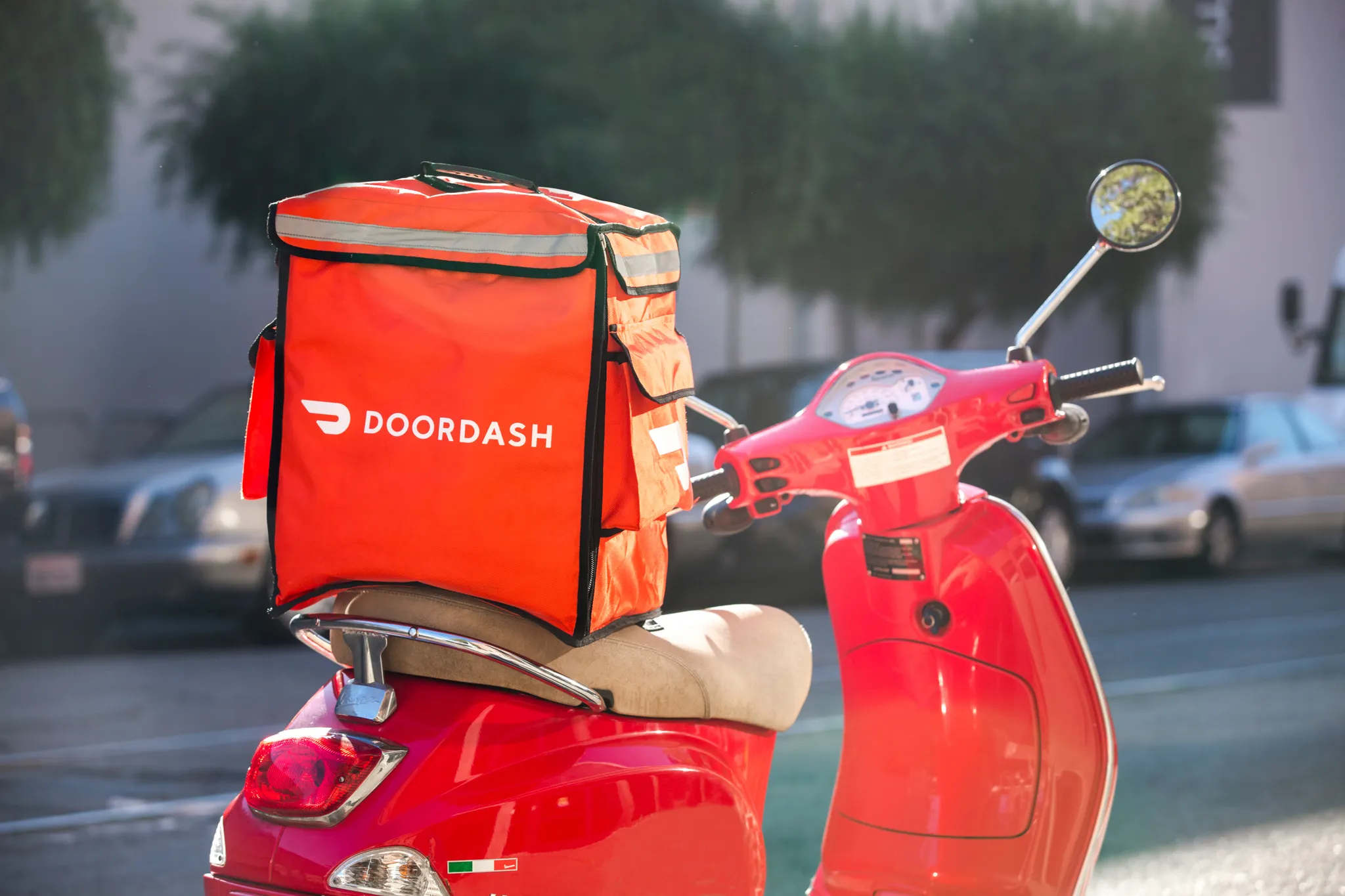
Lay’s potato chips are good, but they are not 11-dollars-and-a-severe-blow-to-my-dignity good. The moment I saw my friend place an order for a solitary bag of chips from 7-Eleven (at express delivery for an extra three dollars) on DoorDash, I realized we had officially lost the plot with food delivery. As of late, our gluttony, disregard for monetary absurdity, and indolence have caused convenience to eclipse our standards for “reasonable.” At this rate, in the most literal sense of the colloquial term, we are all cooked.
First of all, with all due respect, there is absolutely zero dignified way to answer the door for a $14 bag of chips. Yet, our shame has disappeared since the temptation of indulgence has conquered our patience and reason. Why should we go grab a snack, or, god forbid, fix it ourselves, when we can pay to be served immediately? Research on recreational shopping by colleagues Junghyun Kim and Robert Larose found that reduced friction and effort required when ordering stimulates impulsivity and gratification in consumption. One interviewee in an article on e-commerce by Deborah Lau shared how she “feels excitement after ordering something and at the thought of receiving a package after buying it.” In this new age of convenience, indulgence is trending, and it seems overordering beyond necessity and without justification is the new norm.
Moreover, the average price for a single party-size bag of Lay’s chips sits around five dollars. Not only is half of the bag notoriously being air a highway robbery in its own regard, but somehow paying nine extra dollars on other exorbitant expenses is absurd. Between the service fee, the delivery fee, the tax, the tip, and the option for express delivery to top it all off, we are throwing around small fortunes on evanescent pleasures and still believing it convenient. I can’t instruct you on how to operate monetarily, but it is indisputable that hemorrhaging copious amounts of money on what could be independently produced or what is simply not necessary is questionable at the very least.
It seems that with our ravaging overconsumption, we are biting off more than we can chew. E-commerce as a whole is fueling a concerning proliferation of wastage and causing significant harm to our ecosystem. According to Lau’s article, a 60% global increase in delivery vehicles by 2030 is expected to contribute to a consequent 60% rise in carbon emissions. If the environment doesn’t concern you, at least recognize the emergence of an addictive cycle. What was once a tool for occasional ease and luxury now is abused by impulse, reinforced by an automatic, compulsive response to the temptation of convenience, laying the foundation for a problematic societal and individual habit of dependency.
I’d be remiss not to acknowledge that I’m part of the problem, too. I’ve had two separate doordashers arrive at the same time to my house—it’s a uniquely sobering moment when your front porch starts operating like a reverse drive-thru. We, as a society, must learn to curb this cycle. We don’t have to forgo convenience. Conversely, we have to reintroduce intention and justification. Be candid with yourself: is the order necessary? Does the environment and financial footprint align with your momentary ease? Force yourself to let convenience operate as a tool, not a reflex. We have to reestablish some boundaries, before more serious problems come knocking at our door.