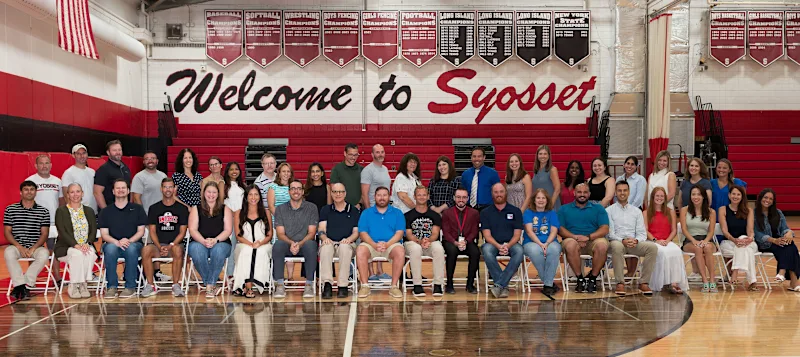
By: Claire Li
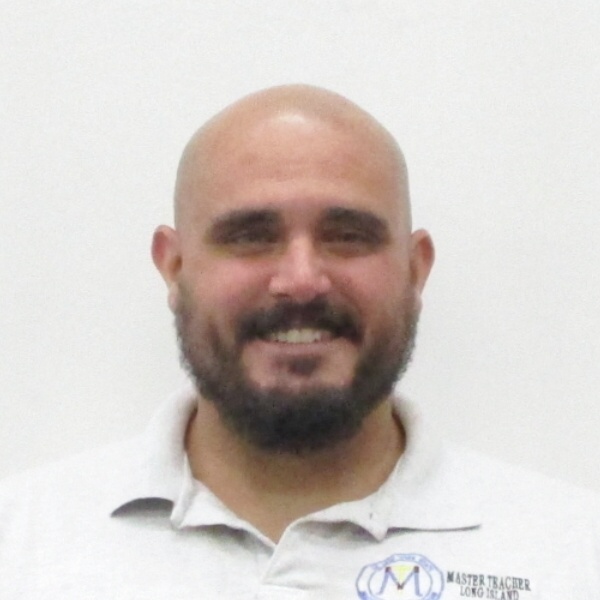
Mr. Stephen Acquaro in the Science Department, teaching Research 1, Research 10, and Advanced Science Research 11
Q: How has your current experience been in high school?
A: “It feels like everyone has a feel for education. Everyone’s here on board, and everyone is taking their education seriously. Curiosity, learning, working hard; students on board and teachers on board; support, parents, administrators; overall, it looks like everyone cares about learning here, which makes it seem competitive. It’s competitive, but it seems secondary, because we’re trying to be excellent in so many things.”
Q: What aspect of the Syosset community would you like to highlight as something new or welcoming to you?
A: “The science department has been extraordinarily welcoming. They showed us new teachers around, held a pizza party, and took turns for introductions; overall, they helped with everything. Here, it is an amazingly large program, while in the past, I was used to doing research alone and teaching several science subjects, such as Marine Science, Forensics, AP Biology, different levels of Research, and other courses in my old district, Oyster Bay. However, being here now with other people teaching the same classes together and being able to have conversations in multiple ways to apply to the same and different classes with other teachers is incredible.”
Q: What factors inspired you to come to Syosset?
A: “Well, I’m a giant nerd for STEM in total. What drew me in the most, though, was local newspapers, accolades, research fairs like ISEF, involvement, and seeing all sorts happening in Syosset.”
Q: What subject do you most enjoy teaching and why?
A: “Research, since the curriculum doesn’t get stale and boring. It requires a new skill set for learning and continuing a broader basis of knowledge. Each year, I’ve got a slightly bigger pool of knowledge to pull from and bring to the next year of kids, and it’s been consistently growing since I started doing this. Here, for the best of both worlds, it would be to compare teaching basics of science for 7th graders, to now diving deeper into topics, science, and its entirety. In total, having the chance to really get to both explore science in its entirety and also teach is my dream.”
Q: How have the New York State cell phone policy and the Nassau County restrictions impacted your students and teaching, and what are your views on this change?
A: “It may just be the population or school that has been working with previously, but it seems like everyone is focused generally. However, not having cell phones can freeze people and help to focus more on what they’re doing on a deeper level. Last year, when I was teaching my Applied Chemistry class, I did the lithium and water experiment, where it blows up and makes pretty sparkles, but when I turned around, the students were playing games with their cell phones. It disappointed me and made me realize that, wow, it’ll be a rough school year then. On the other hand, now as a research teacher, the policy makes me trip over myself a couple of times because cell phones are a cool tool for capturing media and communication. Because we can’t show all of them and embed them to use for access or demonstrate progress with links, plates, and samples being included, we have to find alternatives, like the Chromebooks. So, there are stumbling blocks that we have to now work around and issues in different ways. Overall, though, it’s a change for the positive because it’s less distracting and helps people engage in a way that we probably haven’t had for a while.”
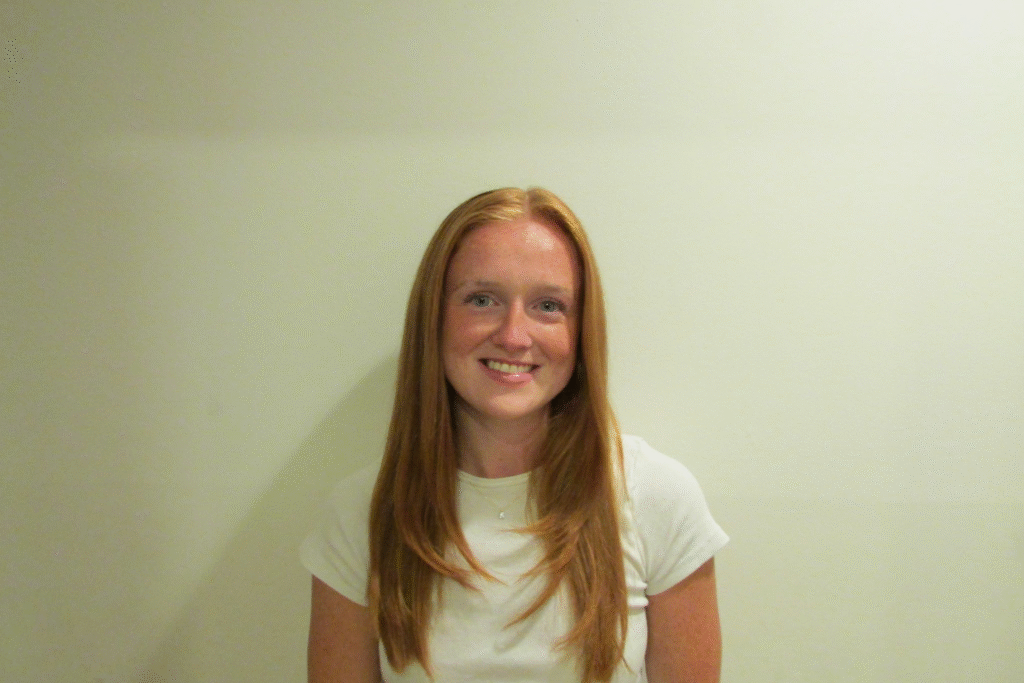
Ms. Nicole Hugelmeyer in the Science Department, teaching Biology Honors and Biology Regents
Q: How has your current experience been in high school?
A: “I’ve been loving it. Being welcomed by students who smile at me, even those who don’t have me as their teacher, is heartwarming. The main thing is that yesterday, I had both a morning and afternoon extra help with 20+ kids, kids from other classes too. It’s overall extremely welcoming and nice for me to experience.”
Q: What factors inspired you to come to Syosset?
A: “I wanted to become a teacher because of my teachers in high school and college. My chemistry teacher, an extremely strict teacher, boosted my confidence in the learning environment. It led me to believe in myself, thinking that being confident in his class can lead to being confident in every class.’ Great relationship with my Biology teacher in high school, who was also my research mentor, AP Biology, and tutor that taught and influenced me a lot in high school. Likewise, people in Syosset, being academically challenged constantly in school, had or have these similar experiences now. This would make students gain confidence, with students wanting to get better and learn better.”
Q: What is your favorite unit to teach and why?
A: “I love chemistry and it is my main certification, so I do love the biochemistry unit, which is the unit we’re doing right now. I also love genetics and teaching all of the genetic disorders, too.”
Q: How have the incorporation of AI and the advancement of tools adjusted your classroom setting? Do you find that, particularly for your subject, it has greatly improved/impacted, or less changed it?
A: “I use AI all the time. I tell my students often that I make stuff, and tell them to study using AI. Some tell me, ‘I’ll place it in this AI notebook,’ and I would respond with ‘Great, do that,’ because it makes your studying better, more interesting, and is a great tool overall. Obviously, though, not for use all the time because it’ll take creativity out of you, but it will save time for me personally by making practice test questions too. So, it’s very useful and should not be ignored, but it obviously should not replace the human side of teaching. Embrace AI, everyone’s using it.”
Q: With the new current changes to the Regents curriculum, how do you find your teaching in this course to be, and what are your opinions on this change?A: “I think it’s a good thing, for the shift in learning that it will cause. The only difference is that the assessment is very different. This year’s Regents and in the future will be very different from those in the past, so we’re trying to make new questions to model off that, which is difficult, because we don’t have much to go off of; we only have 3 currently provided. However, it’s a skills-based change rather than memorizing the content for the new curriculum, so you have to learn more scientific skills and learn how to apply them to many scenarios. Also, there are three labs now, while there used to be four, but they’re really long and in-depth, so it is necessary to have them for a week or at least three days. We did our first one recently, called ‘For the Birds’, which is about designing solutions to save birds who will fly into windows.”
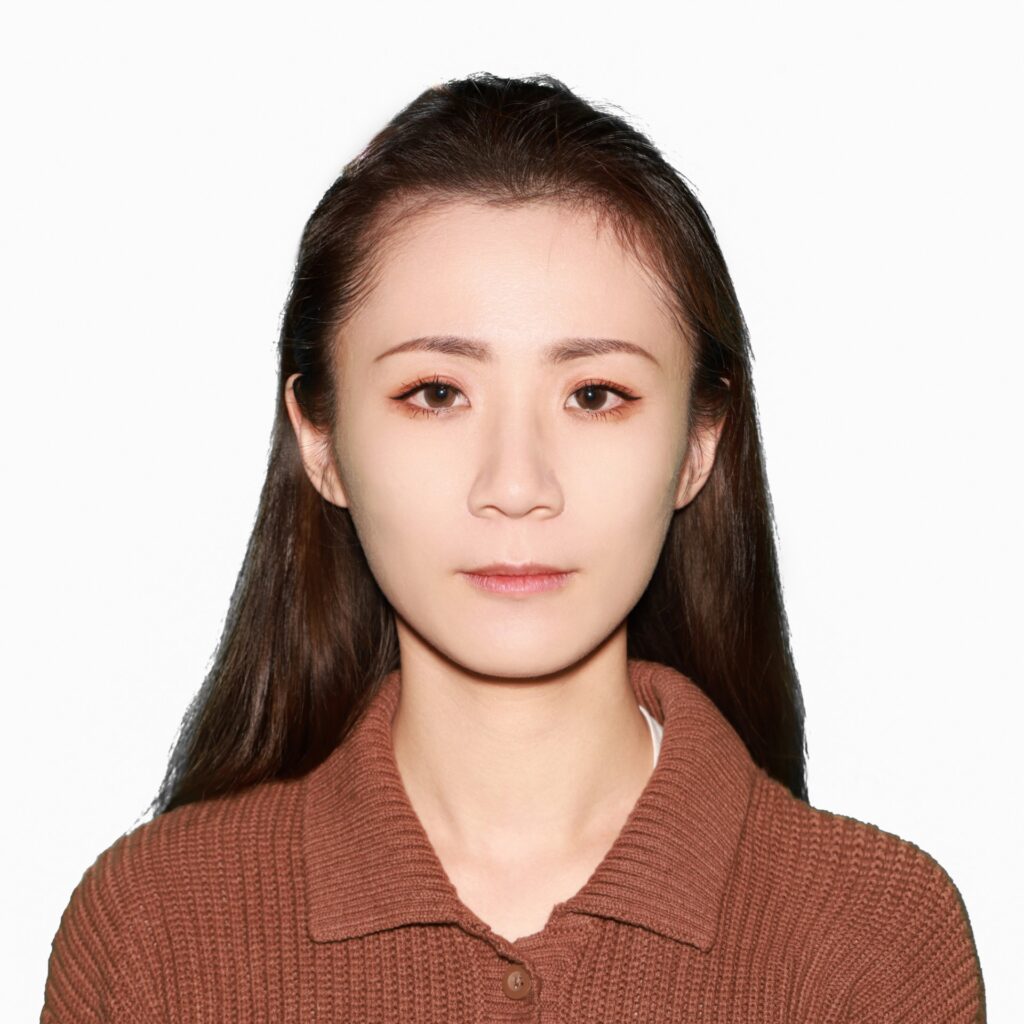
Ms. Jenna Lin in the Mathematics Department, teaching Regents Geometry, Introduction to Calculus and Statistics, and AP Computer Science A
Q: How has your current experience been in high school?
A: “My experience so far has been super positive and energizing. I’ve really enjoyed getting to know my students. They’re curious, hardworking, and not afraid to ask questions or take academic risks, which makes our class discussions lively and meaningful. I’m truly so grateful to be part of the Syosset community. With the students being motivated, the teachers being inspiring, and the environment supporting innovation and collaboration, it’s an exciting place to grow and teach.”
Q: What aspect of the Syosset community would you like to highlight as something new or welcoming to you?
A: “What really stands out to me is the collaborative and innovative spirit here. The teachers are supportive and generous in sharing ideas, and there’s a shared excitement about trying new approaches in the classroom. The students bring genuine enthusiasm to their learning. The level of creativity and student leadership makes Syosset a truly inspiring place to teach. ”
Q: What is a unit or style of teaching that you often like to demonstrate in your classes, or would like to show in the future?
A: “I love using project-based learning where students can apply abstract concepts to real-world situations. In AP Computer Science A, for example, my students create interactive story-based programs that use conditionals to drive the plot. It’s exciting to see how they use code not just to solve problems, but to express creativity and bring their own ideas to life.”
Q: What inspired you to become a teacher?
A: “I love helping students see that math and computer science are not just about numbers or syntax, they’re about thinking creatively and building confidence in problem-solving. I had teachers previously who encouraged curiosity and made learning feel exciting, and that experience shaped how I approach teaching today.”
Q: With the recent changes to the AP Computer Science A curriculum, how is the change impacting your way of teaching, and what are your opinions on this change?
A: “The updates to the AP Computer Science A curriculum encourage me to rethink pacing and how concepts are introduced while giving students more room for creativity and deeper understanding. I really like that the focus is shifting from memorization to exploring why code works, not just how to write it, because it makes learning more meaningful and authentic.”