By Ella D’Auria
From the continued AI revolution to the advent of Labubus, 2025 was a massive year for bandwagon trends. However, in the media, one trend seems omnipresent and revered above all. Trending more than any diet ever has, GLP-1s have been glorified immensely—and at no little cost. The media’s motion to turn healthcare into a fad is harming two main groups at once: young people, who are absorbing a warped idea of what fitness and physique should look like, and patients who medically need these drugs, whose access is now threatened as insurers and policymakers lean more towards viewing the medicine as a luxury instead of a medically necessary treatment.
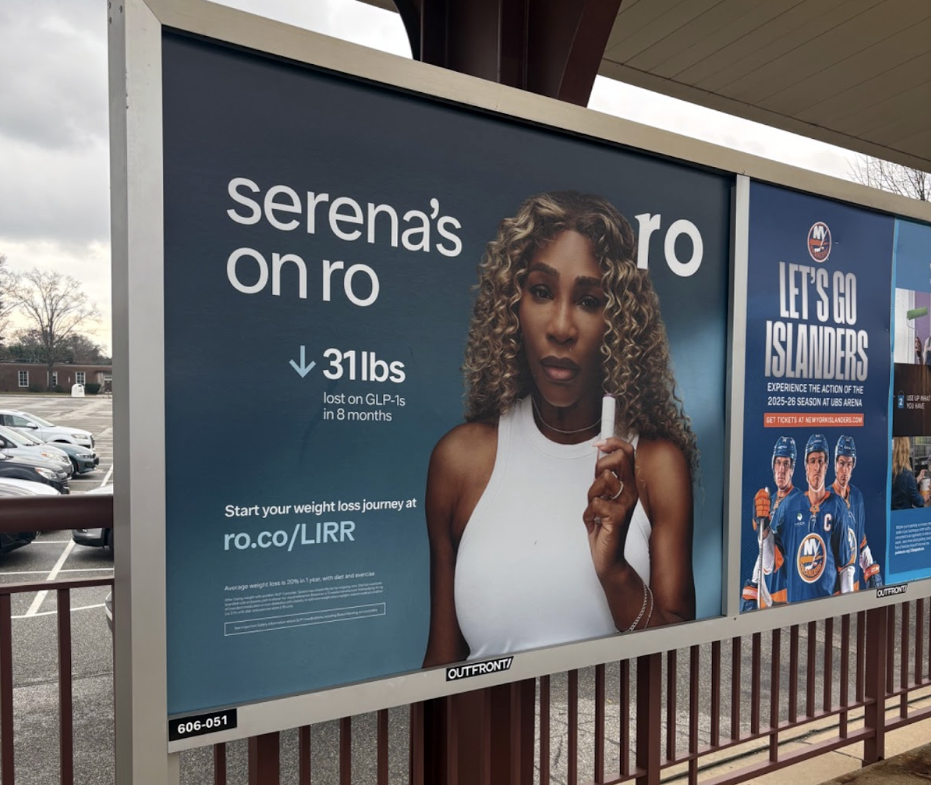
As a female adolescent, I understand that I am a part of a demographic already experiencing intense pressure to appear a certain way. So, the fact that these weight loss injections are being intentionally marketed as normal, quick fixes is rather alarming. A study of 90 social media ads for GLP-1 weight-loss drugs found recurring themes of “confidence,” “transformation,” and “emotional and psychological impact.” In an obsessively before-and-after, fast result-driven culture, extreme weight loss sounds like, as the original song for the sampled Ozempic jingle says, “it’s magic.” Normalizing and encouraging these transformations has become the galvanization for a disappointingly immense amount of body dysmorphia, especially among teens. The marketing of these drugs as the standard is sending the message that appearance is a problem to be solved, and the solution is a prescription. What other choice do kids have but to view their natural bodies as inferior?
The second issue arises when one considers the growing stigma around these medications, which has led insurers and policymakers to respond by tightening coverage. These drugs were created for illnesses such as diabetes, hormonal conditions, metabolic disorders, or PCOS. But, in contrast to the impressionable group that sees GLP-1s as the norm, another portion of the public sees them as “vanity drugs.” Today, patients with chronic conditions are experiencing shortages, denials, or ridiculous out-of-pocket costs. This case is the inverse of the aforementioned narrative: now, real medical needs are being dismissed as, according to Massachusetts’s commonwealth website, “many employers and insurance companies have stopped covering GLP-1’s altogether as a result of the increased expenditures.” The people who are fortunate enough to be using these drugs as a luxury without hindrance are to blame for the thousands whose needs must now go unmet because of denied coverage.
GLP-1s are not the villain; the way we talk about them and how they have been framed in the media are. The depiction of the drugs as a shortcut to perfection is warping the youth’s understanding of what realistic and healthy weight loss truly is, and it is punishing the people whose health genuinely depends on the medicine. Until we see more responsible marketing, thoughtful coverage, and capacious policy decisions, GLP-1 marketing will continue to prove a big fad mistake.